
Elizabethan Drama (roughly 1562–1603) was a “Golden Age” of English theatre, flourishing during Queen Elizabeth I’s reign with a focus on tragedies, comedies, and histories. Characterized by blank verse, complex characters, and themes of ambition and passion, it was defined by playwrights like William Shakespeare and Christopher Marlowe.
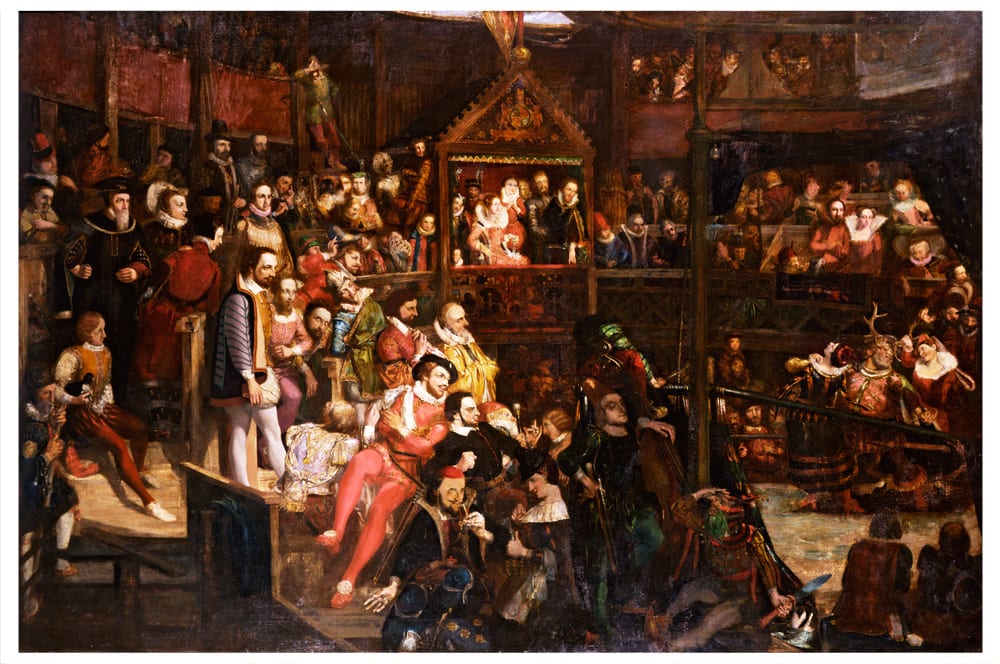
Elizabethan Theatre – Victoria and Albert Museum
Elizabethan drama represents a monumental shift in literary history, evolving from simple medieval morality plays into complex explorations of the human psyche. During this era, playwrights like William Shakespeare and Christopher Marlowe broke away from rigid religious themes to embrace “humanism,” focusing on the triumphs and tragic flaws of individuals. The plays were designed for a diverse audience, ranging from illiterate peasants to royalty, which necessitated a mix of high-brow poetry and low-brow physical comedy. Because theaters like the Globe were open-air and lacked modern lighting or elaborate scenery, the “drama” relied heavily on the power of the spoken word and the use of the soliloquy to reveal a character’s innermost secrets directly to the crowd.
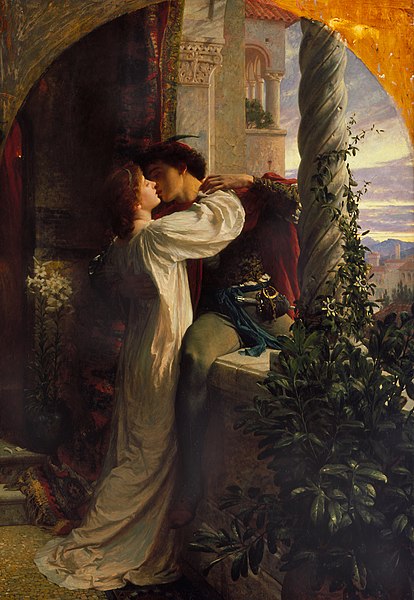
| Playwright | Known For | Famous Play |
| William Shakespeare | Psychological depth & poetic mastery | Hamlet, Macbeth , Romeo and Juliet |
| Christopher Marlowe | “Mighty lines” and dark anti-heroes | Doctor Faustus |
| Thomas Kyd | Creating the “Revenge Tragedy” | The Spanish Tragedy |
The period is defined by its vibrant energy and its willingness to defy traditional rules, often blending tragedy with humor and subverting social norms through plots involving mistaken identities and cross-dressing. It was a time of “word-painting,” where the language had to be vivid enough to transport an audience from a crowded London street to a moonlit forest in Athens. This era didn’t just provide entertainment; it established the foundational structures of modern storytelling, creating archetypes and linguistic patterns that continue to influence how we understand conflict, ambition, and the complexities of the heart today.
Why It Still Matters
The reason we still perform these plays in 2026 isn’t just tradition; it’s because the themes are universal. Whether it’s the crushing weight of ambition, the chaos of young love, or a good old-fashioned revenge plot, these writers captured the messy reality of being human.